Snacks and Energy Intake
Published February 2026
Understanding Energy Content
Different foods contain different amounts of energy, measured in calories or kilojoules. Understanding how different snacks contribute to daily energy intake is useful for developing awareness about dietary patterns. This article explores energy content in an informational context.
Caloric Content of Different Snacks
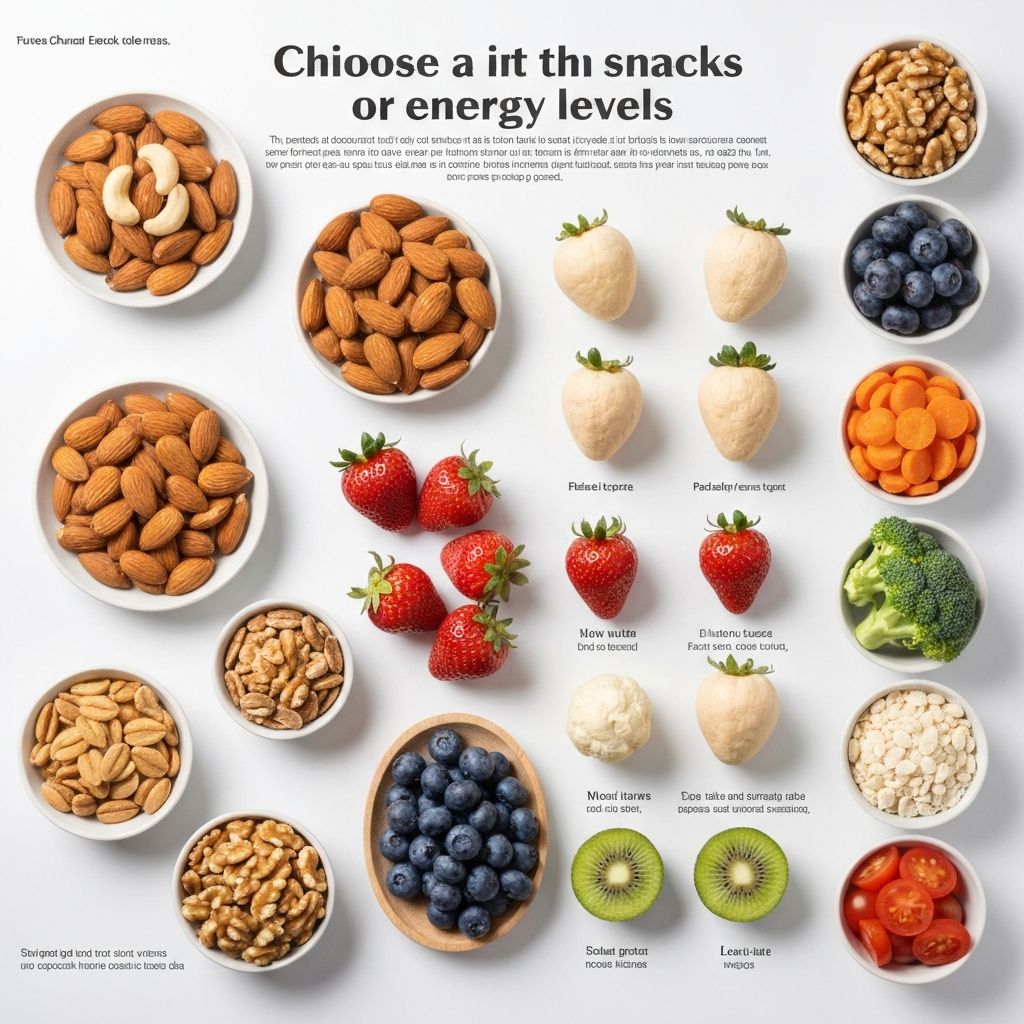
Snacks vary significantly in their caloric density. For example, fresh fruits are generally lower in calories, while nuts and seeds are higher due to their fat content. Understanding these differences helps people recognize the diversity of nutritional contributions different foods make to daily energy intake.
Nutrient-Dense Foods
Nutrient-dense foods provide significant nutritional value relative to their caloric content. Many vegetables, fruits, and whole grains fall into this category. Understanding nutrient density helps explain why different foods might be discussed as having different dietary significance.
Macronutrient Composition
Snacks differ in their composition of carbohydrates, proteins, and fats. These macronutrients contribute differently to energy provision and satiety. For instance, protein-rich snacks may produce different satiation responses than carbohydrate-based snacks. This information helps understand the variety of snacking options available.
Energy Balance and Snacking Patterns
Energy balance refers to the relationship between energy consumed and energy expended. Snacking can be part of daily energy patterns, and the significance of snacking in overall energy balance depends on multiple factors including portion sizes, food choices, and activity levels.
Frequency and Portion Size
How often people snack and how much they consume affects the overall energy contribution of snacking to daily intake. Some research discusses how snacking patterns vary across populations, with some people eating small frequent snacks and others eating larger less frequent meals. These represent different approaches to eating patterns.
Individual Variation
The relationship between snacking and overall energy intake varies significantly between individuals. Factors such as metabolism, activity level, food preferences, and eating habits all influence how snacking fits into individual dietary patterns. Understanding this variation is important for recognizing that no single approach is universal.
The Complexity of Dietary Patterns
Daily energy intake and nutritional status result from complex interactions between food choices, eating frequency, activity level, and individual physiology. Snacking is one component of these patterns. Educational information helps people understand this complexity without simplifying it into prescriptive recommendations.
Educational Content
This article presents informational content about snacking and energy intake in educational terms. It explains relationships and provides context for understanding how snacking fits into broader dietary patterns. This is not personal advice regarding energy management or weight control, and individuals should consult appropriate professionals for personalized guidance.