Introduction to Snacking Habits
Snacking is a common part of daily life for many people. Understanding the nature of snacking habits and how they relate to overall nutrition is important for developing awareness about dietary patterns.
This educational resource provides informational content about various aspects of snacking, including types of snacks available, their nutritional composition, and their role in the context of daily nutrition balance.
The information presented here is designed to help people understand snacking in an informational context, without providing personal recommendations or medical advice.
Nutritional Impact of Snacks
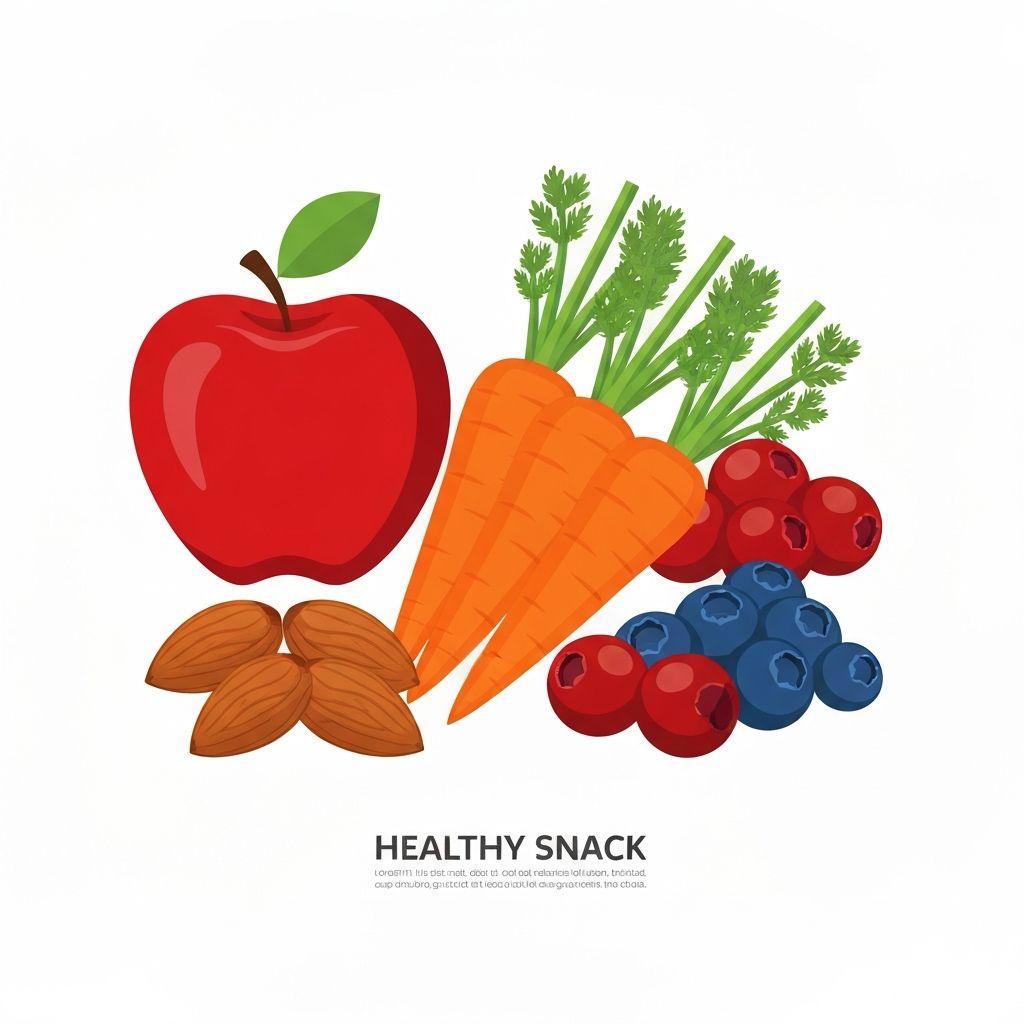
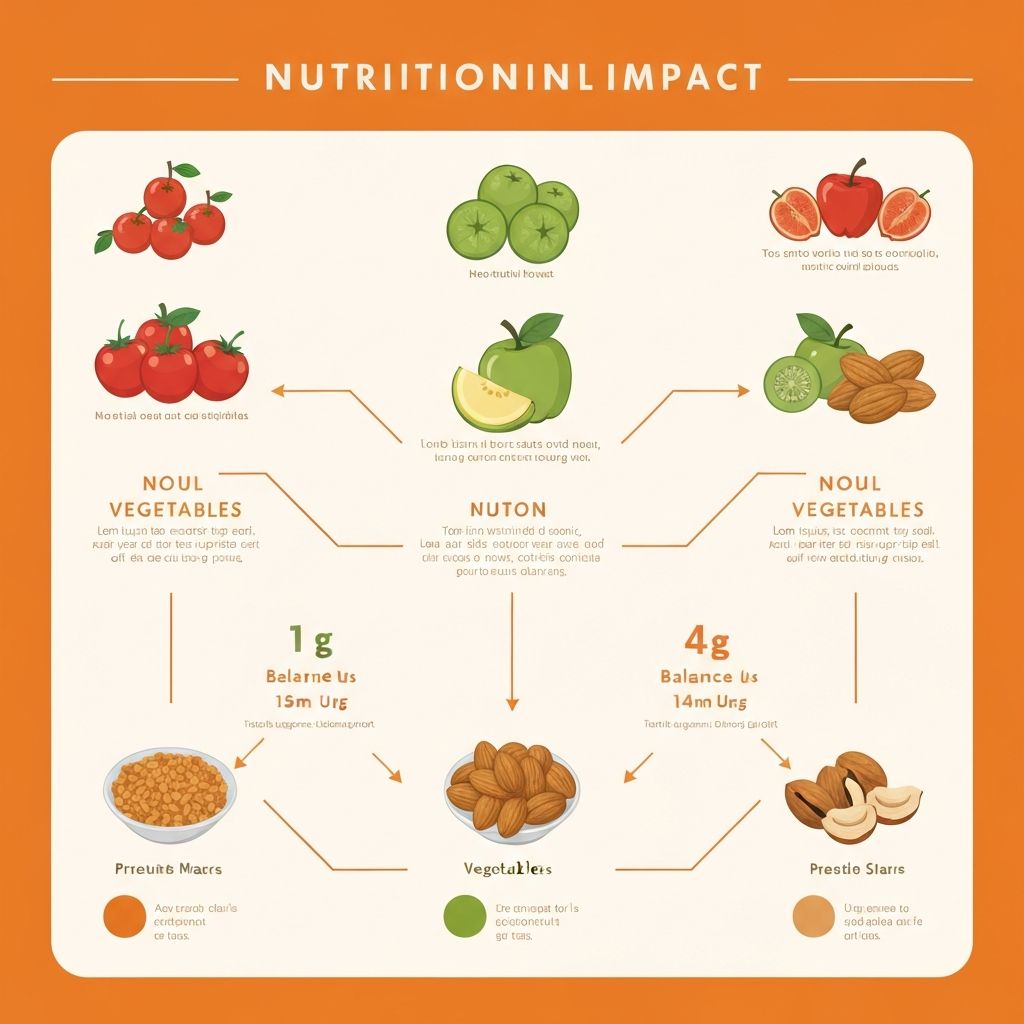
Different snacks have varying nutritional profiles. Some snacks are composed primarily of fruits and vegetables, while others contain nuts, seeds, or legumes. Each type contributes different nutrients and calories to the diet.
Educational understanding of snack composition helps in recognizing the diversity of foods available and how they relate to nutrition balance. Various options exist, from fresh fruits and vegetables to nuts and whole grains.
The nutritional content of snacks is an informational topic that helps explain dietary patterns without making claims about individual outcomes.
Daily Nutrition Balance Overview
Daily nutrition balance refers to the overall composition of food intake throughout a day. Different foods contribute different nutrients - vitamins, minerals, fiber, and macronutrients. Snacks can be part of this overall picture, depending on food choices and consumption patterns.
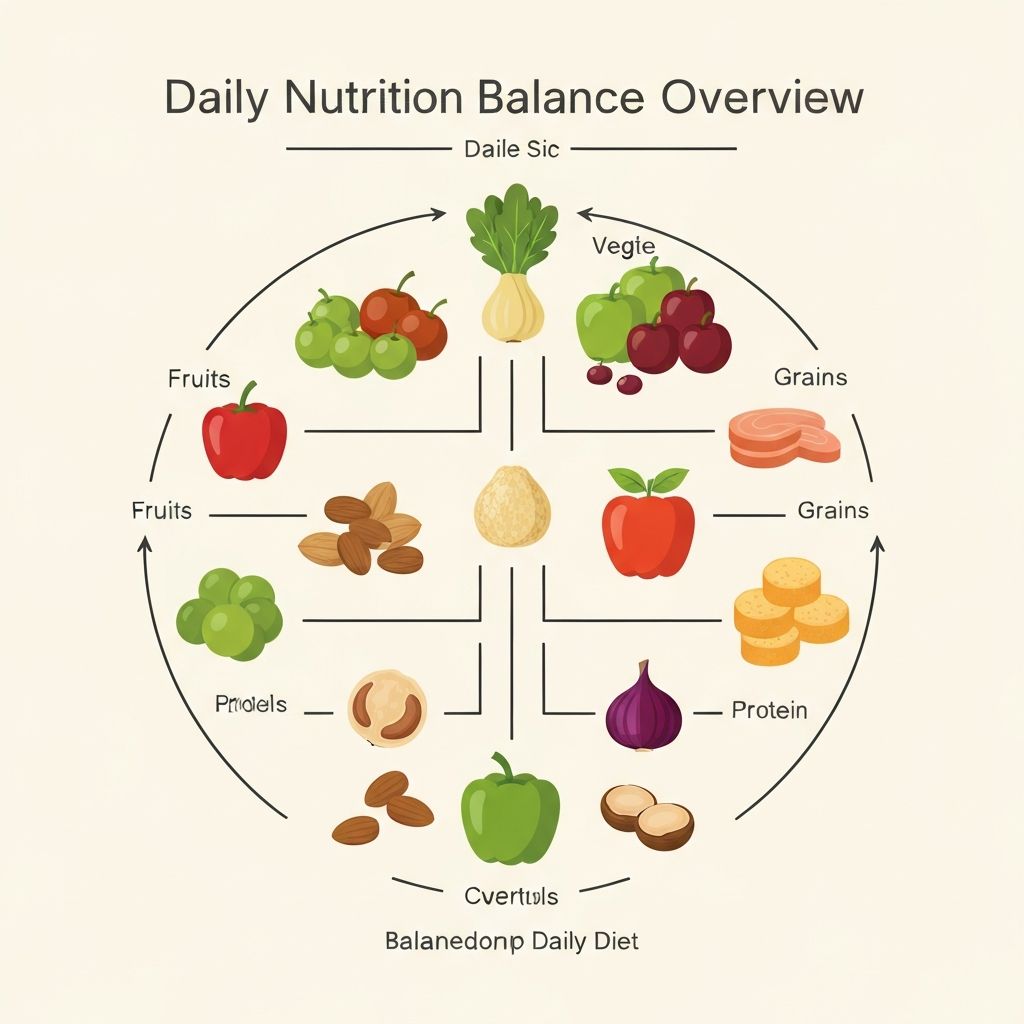
Understanding how different foods fit into daily nutrition is an informational approach that helps people develop awareness about dietary diversity. Various approaches exist in everyday life, and this resource provides educational context without making individual recommendations.
The relationship between snacks and daily nutrition balance is explained here in an informational manner, highlighting the diversity of available options and nutritional perspectives without prescribing specific actions.
Common Misconceptions About Snacking
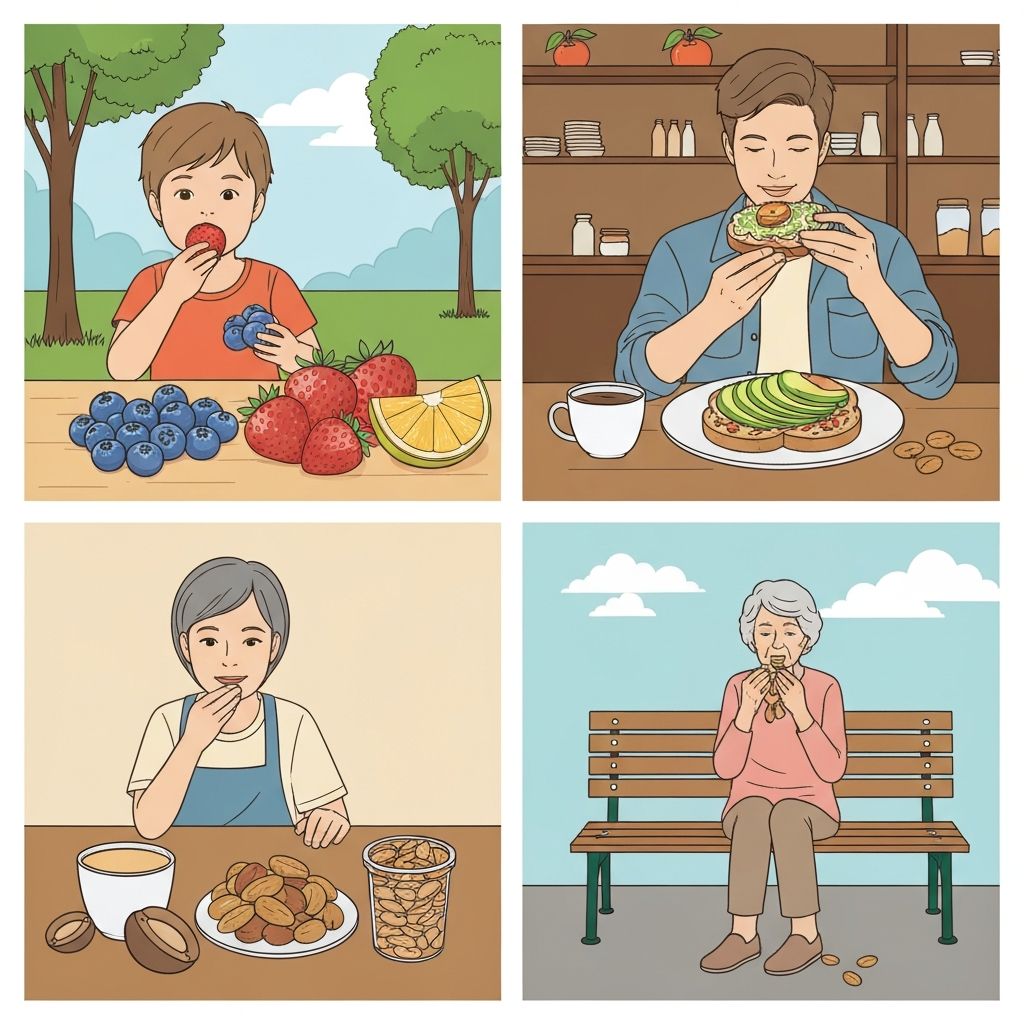
Various misconceptions exist about snacking and its role in nutrition. Some people believe all snacking is inherently problematic, while others view it as universally beneficial. In reality, the impact of snacking depends on numerous factors including food choices, portion sizes, and individual dietary patterns.
Educational content helps clarify that snacking is simply eating between main meals, and the nutritional significance depends on what foods are chosen. Different perspectives and approaches exist across populations and contexts.
This resource presents information to help understand snacking as a phenomenon without making universal claims or providing personal dietary guidance.
Explore More Content
Discover detailed articles about snacking habits, nutritional information, and how to integrate various foods into daily eating patterns.
Healthy Snack Choices
Educational information about different types of healthy snack options and their characteristics.
Read ArticleSnacks and Energy Intake
Information about how different snacks relate to energy intake and daily caloric patterns.
Read ArticleIntegrating Snacks into Daily Nutrition
Educational content about how various snacking patterns fit into overall daily nutritional approaches.
Read ArticleFrequently Asked Questions
What is SnackBalance?
SnackBalance is an educational resource providing informational content about snacking habits and their relationship to daily nutrition. It is not a medical service, does not provide personal recommendations, and does not promise specific outcomes.
Is this resource providing medical advice?
No. This resource provides educational information only. It is not a substitute for professional medical advice, and individuals should consult appropriate professionals for personal dietary guidance.
What types of snacks are discussed?
The resource discusses various types of snacks including fruits, vegetables, nuts, and other foods. The information is presented in an educational context to help people understand diversity in snacking options.
Can this resource help me make dietary decisions?
This resource provides educational information about snacking and nutrition. For personal dietary decisions and recommendations, individuals should consult appropriate professionals or resources designed for personal guidance.
Is there specific product or brand recommendation?
No. This resource does not recommend specific brands or products. It provides educational information about types of foods and snacking in general terms only.
Important Notice
Educational content only. This website provides informational content about snacking habits and nutrition. It does not constitute medical advice, does not replace professional consultation, and does not promise specific health outcomes. Information is presented for educational purposes to promote understanding of snacking as a dietary phenomenon. Individual circumstances vary, and multiple approaches exist across different populations and contexts.
Start Learning Today
Explore our blog articles to learn more about different aspects of snacking and nutrition balance.
Visit Blog